I bought my first compact air fryer with one specific goal: crispy french fries without turning on my apartment oven in August. The Ninja AF101 arrived, I followed the bag instructions on frozen fries, and what came out was, honestly, a little sad. Pale on the outside, steamy on the inside. The kind of fry that makes you think you have been lied to. I almost returned it. I did not, and I am glad, because the problem was not the machine. It was everything I was doing to it.
In a small kitchen, an air fryer earns its counter real estate by doing one thing better than anything else: getting food crispy without preheat time, splatter, or a hot oven that warms up your whole apartment. But that crispy result is not automatic. There are five specific things you have to do right, and most of us skip at least two of them the first time. This guide walks through all five, step by step, using the Ninja AF101 as the reference point because that is what I cook with every day in a 400-square-foot apartment. If you already own the machine and are getting lukewarm results, start at Step 1. If you are still deciding whether to buy it, the steps here will show you exactly what the machine can do when you use it correctly.
If you are still using your oven for fries and wings, you are heating up the whole apartment for nothing.
The Ninja AF101 is a 4-quart compact air fryer rated 4.7 stars by more than 90,000 Amazon buyers. It fits a footprint smaller than a standard sheet of paper. Check today's price before you start the guide below.
Amazon Check Today's Price on Amazon →Step 1: Dry Your Food Completely Before It Goes In
This is the step I skipped for the first two weeks I owned an air fryer, and it explains every disappointing result I had during that stretch. Air frying is a dry-heat cooking method. It works by circulating extremely hot air around the food at high speed. Moisture on the surface of your food fights that process by converting to steam, and steam is the enemy of crispy. Frozen fries have ice crystals on the surface. Fresh chicken wings have natural moisture from the packaging. Leftover fries from the fridge have condensation from the container. All of that moisture needs to go before the food goes into the basket.
The fix takes thirty seconds. Pat your food dry with a paper towel before it goes into the basket. For frozen items, let them sit on a paper towel for five minutes first, then pat. For fresh chicken or fish, a firm pat on both sides. For cut vegetables, a quick toss in a clean kitchen towel. You are not trying to dessicate the food; you are just removing surface moisture so the heat can do its work immediately. This single change will improve your results more than anything else on this list, and it costs you nothing but a paper towel.
One extra note here: do not rinse thawed meat right before cooking and then put it straight in the basket. Rinse it, but then dry it thoroughly. Wet food into a hot air fryer means the first few minutes of cooking time are wasted on evaporation instead of browning. Take the thirty seconds. It matters more than any temperature or timing adjustment you will ever make.
Step 2: Preheat the Air Fryer for Three Minutes
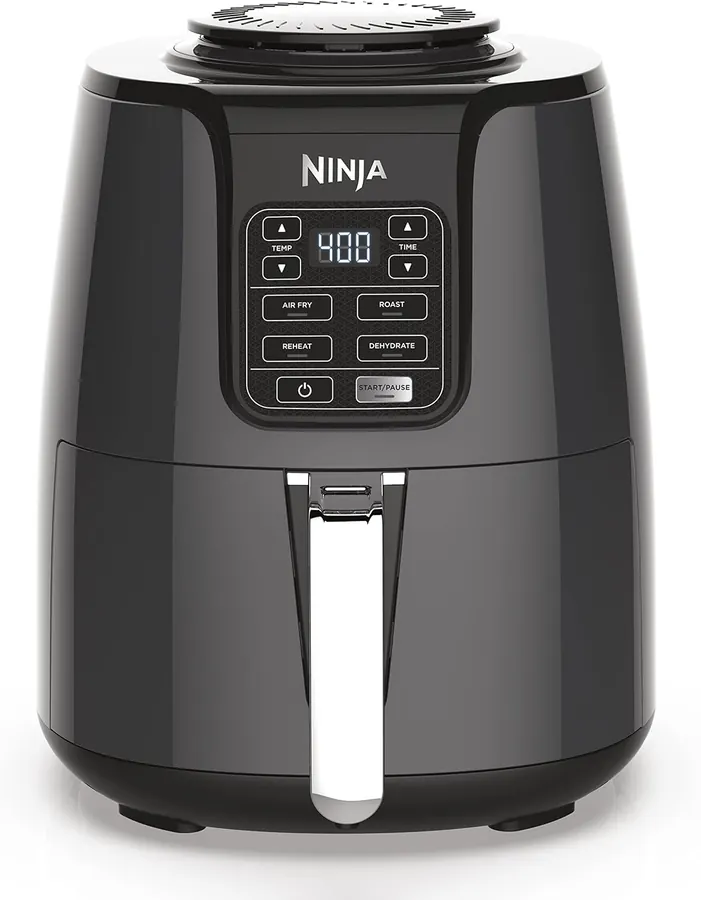
The Ninja AF101 does not require a long preheat. Three minutes at your target cooking temperature is enough to bring the interior chamber up to working heat. I set it at 400 degrees Fahrenheit, let it run empty for three minutes, then load the basket. That is it. The reason this matters is the same reason a cold skillet makes bad sears. When food hits a cold surface, it sits there absorbing heat slowly instead of making immediate contact with a hot cooking environment. The first contact should be aggressive, not tentative.
On the Ninja AF101, you just set your temperature and time, press start, and let it run without the basket for three minutes. When the three minutes are up, open it, load your food, and you are cooking on a hot surface from the first second. For thin items like shrimp or thin-cut fries, this step is especially important because the total cook time is short and you cannot afford to waste the first third of it warming up the chamber. For thicker cuts like chicken thighs or bone-in wings, skipping preheat is less catastrophic but still adds uneven browning that you will notice on the finished plate.
Step 3: Do Not Crowd the Basket
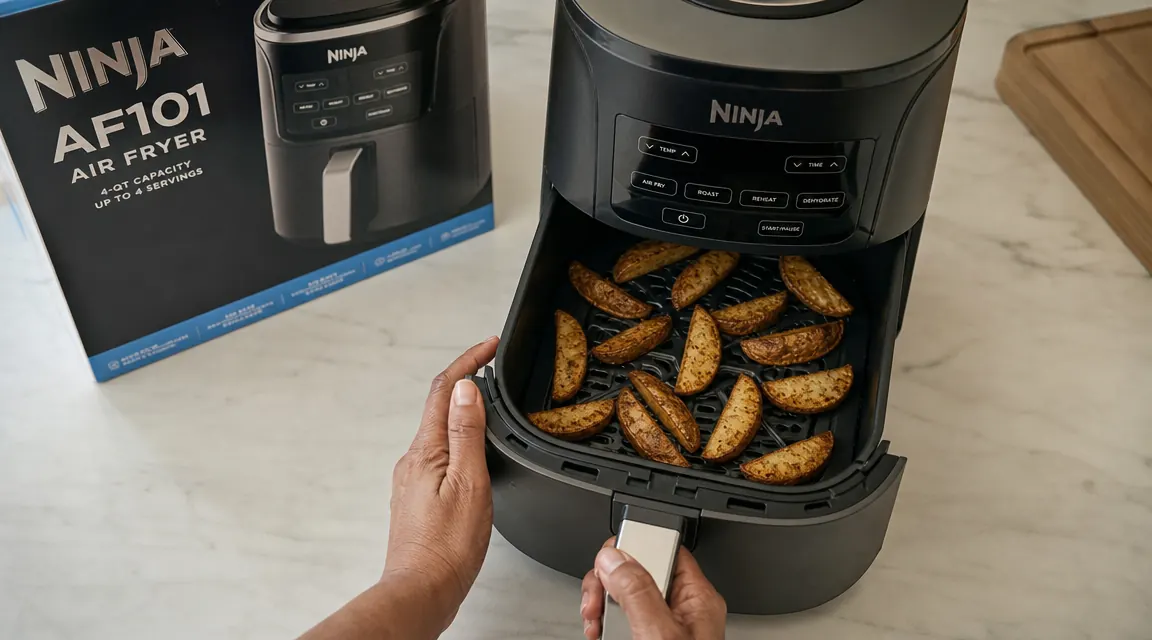
A 4-quart basket sounds generous until you learn that most air fryer recipes are written for the full 5.8-quart size. The Ninja AF101 is a 4-quart machine, which is the right size for a compact kitchen but means you are cooking for one to two people at a time, not four. The single most common mistake I see people make after they buy a compact air fryer is loading the basket as full as possible, thinking they are being efficient. What they are actually doing is trapping steam and preventing hot air from circulating around each piece of food.
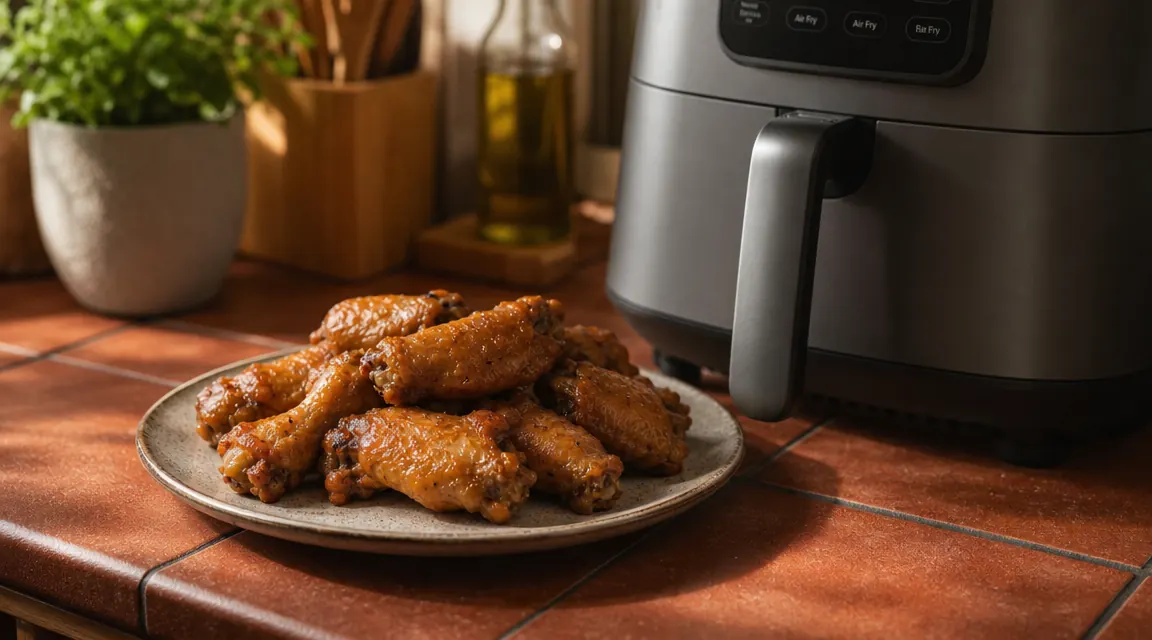
The rule is a single layer with space between pieces. For chicken wings, that means six to eight wings at a time, not a full pound. For fries, it means the basket is maybe two-thirds full of loosely spread pieces, not piled up. If you need to cook more, do two batches. The second batch will stay warm in a low oven or just on a plate covered with foil while the first batch finishes. I know two batches feels slower, but a properly cooked first batch and a properly cooked second batch both come out crispy. One overcrowded batch comes out steamed. When you are working with a 4-quart compact machine, batch cooking is not a workaround; it is just how you use it well.
I load the Ninja AF101 like I am paying rent on every inch of that basket. One layer, space between pieces, no stacking. The air needs room to do its job.
Step 4: Use a Light Coat of Oil on Dry or Lean Foods
Frozen foods that are pre-coated already have fat in the breading, so they often do fine without added oil. But fresh vegetables, lean proteins like chicken breast, and homemade-style foods without a coating need a light layer of oil on the surface to crisp up. I use a spray bottle of avocado oil or olive oil and give everything a light pass before it goes in. Light means you can see a sheen on the surface, not that the food is dripping. Too much oil creates smoke and a greasy result. Too little and lean foods dry out or brown unevenly.
For chicken wings specifically, a teaspoon of oil tossed through them with your hands before they go in the basket is plenty for eight wings. For cut potatoes or sweet potato fries, a tablespoon of oil for two medium potatoes worth of wedges. The Ninja AF101 has a nonstick basket so the oil is mainly for the food surface, not to prevent sticking. Spray-can oils marketed as nonstick cooking sprays can build up residue on nonstick surfaces over time, so I use a plain oil in a reusable spray bottle instead.
Step 5: Flip or Shake Halfway Through, and Add the Last Two Minutes at High Heat
Air fryers circulate heat around the food, but the bottom of the basket still sits against the heating element in a way that can cause uneven browning. Flipping or shaking your food at the halfway point distributes that heat exposure more evenly. For wings, I flip each one individually because I want both sides to brown evenly. For fries and vegetables, I pull the basket out, give it a firm shake or a quick toss with tongs, and slide it back in. This takes about twenty seconds and makes a real difference in how evenly the food browns.
The second part of this step is one I discovered by accident. When there are two minutes left on the timer, I crank the temperature up to 400 degrees Fahrenheit even if I have been cooking at a lower temperature. For example, I cook chicken thighs at 380 degrees for about eighteen minutes, then bump to 400 for the last two minutes. That final blast of high heat crisps the exterior without overcooking the interior. It works the same way finishing a steak in a very hot skillet works. The interior is already cooked; you are just finishing the crust. On the Ninja AF101, you just twist the temperature dial while the unit is running and the adjustment takes effect immediately.
What Else Helps
A few smaller things that consistently improve air fryer results in my kitchen: seasoning your food before it goes in rather than after, because the heat seals the seasoning into the surface instead of leaving it on top; letting the basket cool down slightly between batches when cooking multiple rounds, because an extremely hot basket can cause the bottom of the second batch to brown too fast before the inside is done; and checking internal temperature with a small probe thermometer for proteins, because visual cues alone are not always reliable in a compact machine where the exterior browning can look finished before the interior is cooked through. I keep a cheap instant-read thermometer on the counter next to the air fryer. It gets used every time I cook chicken.
Cleanup on the Ninja AF101 is faster than most people expect. The basket and crisper plate are both dishwasher safe, and the exterior of the unit just needs a wipe with a damp cloth if anything splattered. In a small kitchen where counter and sink space are both limited, a cleanup routine that takes under five minutes matters. I hand-wash the basket most evenings because it is genuinely faster than running the dishwasher for two pieces, but the option is there. The crisper plate is where most of the residue collects, and it releases easily if you let it soak in warm water for ten minutes first.
If you want more context on how the Ninja AF101 holds up over time in a small-kitchen setup, my full long-term review covers eight months of daily use including what I would change and what has surprised me. And if you are still deciding between the Ninja and the Cosori, the head-to-head comparison breaks down footprint, basket capacity, and cleanup differences side by side.
Once you know these five steps, crispy food out of a compact air fryer is genuinely repeatable.
The Ninja AF101 is the machine I use every day. 4-quart capacity, fits on most small kitchen counters, and rated 4.7 stars by over 90,000 Amazon buyers. Check today's price and see current availability.
Amazon Check Today's Price on Amazon →